
Table of Contents
If you have been feeling more tired, irritable, foggy, or unlike yourself lately, hormone changes may be playing a bigger role than you think. Symptoms like poor sleep, hot flashes, low energy, mood swings, and changes in libido can quietly wear down your quality of life during perimenopause and menopause, but you do not have to keep pushing through them.
With the right plan, hormone replacement therapy for menopause can help restore balance, improve daily comfort, and help you feel more like yourself again.
How Does HRT Work?
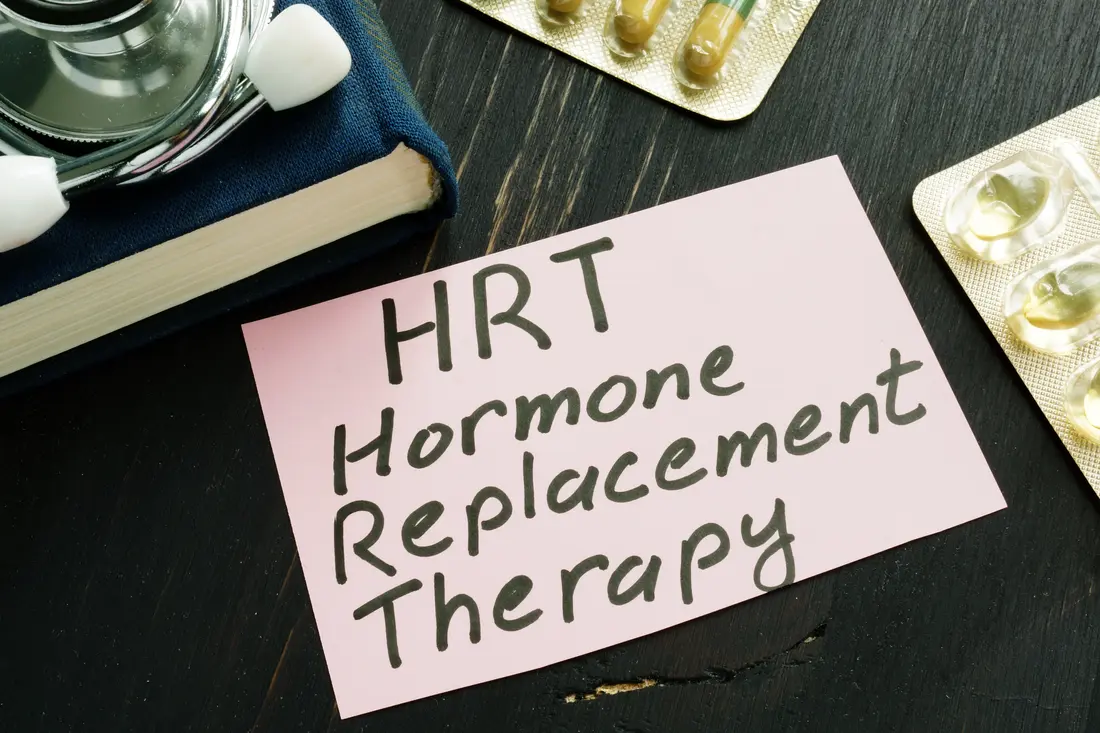
Hormone replacement therapy for menopause works by supplementing hormones that naturally decline during perimenopause and menopause, most often estrogen and, in some cases, progesterone.
When those hormone levels drop, the body can respond with symptoms like hot flashes, night sweats, vaginal dryness, sleep disruption, and mood changes. HRT helps bring those levels back into a range that may reduce symptom intensity and improve overall quality of life.
There are different forms of treatment, including pills, patches, creams, gels, pellets, and other delivery methods. The best option depends on your symptoms, medical history, and personal preferences. Some patients ask specifically about BHRT, which refers to hormones designed to be chemically similar to those the body produces naturally.
In some settings, BHRT for women or BHRT for men may be discussed as part of a broader wellness plan, though the exact treatment should always be based on a proper evaluation rather than trend-driven marketing.
Now, regarding the signs that might confirm your need for HRT, let’s have a look at them in the following section.
1. You are tired in a way rest does not fix.
There is a difference between being busy and feeling depleted. Hormonal fatigue tends to feel persistent.
You sleep, but you do not wake up restored. Small tasks feel more demanding than they used to. By midday, your body already feels behind.
For many women, this is tied to the menopause transition. In fact, hormone shifts can disrupt sleep and make nightly rest less restorative. Night sweats, lighter sleep, and frequent waking all feed into the same cycle.
When exhaustion becomes your baseline, vitality starts to feel out of reach. Menopause-related sleep problems and fatigue are commonly recognized symptoms of this transition.
2. Your mood feels less steady than usual.
A shorter fuse, more anxiety, unexpected tearfulness, or feeling emotionally unlike yourself can all be connected to hormonal changes. This is not about being overly sensitive. It is about your internal balance shifting in ways that affect how you process stress, recover from frustration, and move through the day.
Mood changes during perimenopause and menopause are real, and they often overlap with poor sleep and physical discomfort. When several symptoms build on each other, emotional strain becomes harder to separate from physical causes. That is one reason treatment conversations should look at the whole picture, not just one complaint in isolation.
3. Hot flashes or night sweats keep interrupting your life.
Hot flashes are often talked about as an inconvenience, but for many women, they are disruptive enough to affect sleep, concentration, social comfort, and confidence. Night sweats can be even more draining because they hit when your body is supposed to be recovering.
These vasomotor symptoms are among the most common reasons women seek HRT therapy. Hormone therapy is widely used to reduce hot flashes and night sweats tied to menopause, which is why symptom relief in this area often becomes a turning point for overall quality of life.
4. Sleep has become unreliable.
Some women struggle to fall asleep. Others fall asleep but wake repeatedly. A night of broken sleep can make everything else feel worse the next day, from cravings and irritability to low motivation and cloudy thinking.
Sleep problems during the menopause transition are common, and they are not always caused by stress alone. Physical symptoms such as hot flashes can be part of the reason. When those symptoms improve, sleep often becomes more consistent, too.
That is one of the practical ways bioidentical hormone replacement therapy or other hormone-based treatment plans may support women who feel worn down by months of poor rest.
5. Your body is changing in ways that feel unfamiliar.
Weight gain, especially through the midsection, is one of the most discouraging changes women mention during this stage of life. This sign can happen even when your habits have not changed much. At the same time, low energy and poor sleep can make it harder to stay active and consistent.
Hormones are not the only factor behind body composition shifts, but they are often part of the story during menopause. BHRT for women is not a weight-loss solution, and it should not be framed that way. Still, symptom relief can make it easier to return to routines that support strength, movement, and metabolic health. That distinction matters. The goal is to help you function better, not sell false shortcuts.
6. Intimacy feels different now.
Low desire, vaginal dryness, and pain with sex are deeply personal issues. This explains why many women do not bring them up right away. Still, these changes are common during menopause and can affect relationships, confidence, and daily comfort.
Hormone therapy can help with some menopause-related symptoms, and specific forms of estrogen therapy may be used to address vaginal dryness and discomfort. In the right clinical setting, bioidentical hormone replacement therapy may become part of a broader plan to restore comfort and support better sexual wellness.
7. Brain fog is making ordinary things harder
It is unsettling when your focus slips, your memory feels less reliable, or your mental sharpness does not feel like your own. You may forget why you walked into a room, struggle to find words, or feel mentally slower than you used to.
Cognitive complaints like forgetfulness and difficulty concentrating are often reported during the menopausal transition. Brain fog can be made worse by poor sleep, stress, and physical symptoms that drain your energy.
That is why a thoughtful treatment plan should look beyond a single symptom and ask how all the pieces are interacting. bhrt is often discussed in these conversations because many women are not only trying to relieve one symptom. They want to feel more like themselves again.
Comprehensive Wellness HRT in Englewood, NJ
At Comprehensive Wellness, HRT in Englewood, NJ, is approached through a broader lens. Care is built around the connection between physical health, mental well-being, and long-term quality of life. Instead of reducing your concerns to a checklist, the focus is on understanding how symptoms are affecting the way you live day to day.
Our patients received guidance from an experienced anti-aging and wellness team whose clinical insight is shaped by our founder, Dr. Gbolahan Okubadejo. This structure supports a personalized path to care, with attention to symptom patterns, treatment goals, and overall wellness.
For some patients, that may include Bioidentical Hormone Replacement Therapy, standard HRT therapy, or a more individualized discussion around BHRT for women and BHRT for men, depending on symptoms, health history, and treatment goals.
Schedule Your Hormone Replacement Therapy Consultation.
Frequently Asked Questions
What are the most common signs of hormone imbalance during menopause?
Common signs include hot flashes, night sweats, mood changes, poor sleep, low energy, brain fog, and shifts in weight or libido.
How does hormone replacement therapy help with menopause symptoms?
Hormone replacement therapy helps by replacing declining hormone levels to reduce symptoms that can interfere with daily life.
Is bioidentical hormone replacement therapy the same as traditional HRT?
Bioidentical hormone replacement therapy is a type of HRT that uses hormones made to be chemically similar to those naturally produced by the body.