
Shoulder Pain Therapy
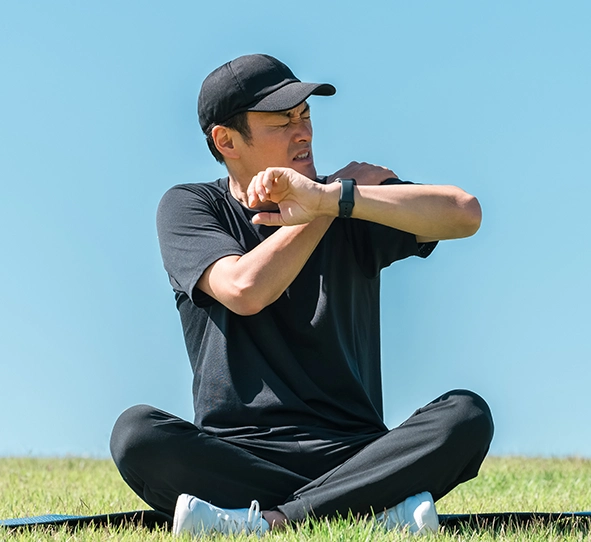
Support for Easier, More Comfortable Shoulder Movement
Shoulder discomfort can interfere with everyday movement in ways that become more noticeable over time. Tasks such as reaching, lifting, or carrying may begin to feel limited or uncomfortable, which can affect both daily routines and physical activity. At Comprehensive Wellness, shoulder pain therapy focuses on understanding how your shoulder is functioning during movement and what may be contributing to your symptoms. Care begins with a detailed evaluation, followed by a personalized plan that may include therapy, movement guidance, and other clinically appropriate treatments. The goal is to support better mobility and function through a structured and individualized approach.
Why Choose Shoulder Pain Therapy?
Rotator Cuff and Shoulder Stability Support
Focuses on strengthening the muscles that help keep the shoulder joint stable and supported during movement.
Improved Overhead and Reaching Movement
Encourages more controlled and comfortable motion during activities that involve lifting or reaching.
Care for Impingement, Bursitis, and Tendon Irritation
Addresses common sources of shoulder discomfort related to inflammation and mechanical stress.
Posture and Movement Awareness
Supports improved alignment and movement patterns to help reduce strain from daily habits.
Treatment Based on Your Symptoms
Care plans are individualized and may include therapy, guided movement, or injection options when appropriate.
Non-Surgical-First Approach
Prioritizes conservative care while allowing for additional evaluation if needed.

What is Shoulder Pain Therapy?
Shoulder pain therapy is designed to improve mobility, support strength, and address factors that may be contributing to discomfort. Because the shoulder relies on coordination between multiple structures, changes in movement patterns or muscle balance can affect how it functions.
At Comprehensive Wellness, your care plan may include:
- Physical therapy focused on mobility and strengthening
- Movement training to improve shoulder mechanics
- Postural guidance to reduce unnecessary strain
- Activity modification during periods of increased symptoms
- Image-guided PRP or corticosteroid injections when appropriate
- Recommendations to support ongoing shoulder health
Imaging, such as X-ray or MRI, may be recommended when needed to better understand your condition and guide treatment decisions.
Platelets Applied Precisely
PRP Injections for Shoulder Pain
Platelet-rich plasma may be considered for certain tendon-related shoulder conditions, such as irritation or partial injury. A small sample of your blood is processed to concentrate platelets, and the prepared solution is then injected into the targeted area when clinically appropriate.
This procedure is performed in the office and typically requires minimal downtime. PRP may be included as part of a broader treatment plan based on your evaluation and overall care goals.
Steroid Injections for Shoulder Pain
When shoulder symptoms become more limiting, a corticosteroid injection may be recommended to help reduce inflammation within the joint or surrounding tissues.
The response to this type of treatment varies. When symptoms improve, patients may be better able to participate in therapy and movement-based care to support shoulder function.
What is the Shoulder Pain Therapy Procedure Like?
Your care follows a structured and supportive process:
- Consultation to review your symptoms, history, and daily activities
- Movement assessment to evaluate the range of motion and control
- Physical examination and strength testing
- Review of posture and shoulder mechanics
- Development of a personalized treatment plan
- Guided therapy sessions and home exercise recommendations
- Injection therapy, when appropriate
- Ongoing progress monitoring and plan adjustments
Each step is explained clearly so you understand your care and what to expect throughout the process.
What Conditions Can Shoulder Pain Therapy Support?
Shoulder pain therapy may help manage:
- Rotator cuff irritation or partial tears
- Shoulder impingement
- Bursitis
- Labral irritation
- Mild arthritis
- Stiffness after injury
- Posture-related shoulder discomfort
- Pain felt in the shoulder, upper arm, or shoulder blade area
A detailed evaluation helps identify the source of discomfort so care can be more targeted.
What are the Benefits of Shoulder Pain Therapy?
Depending on the condition being treated and the care plan, some patients may notice changes such as:
- Improved ease with reaching, lifting, and carrying
- Better shoulder mobility across different ranges
- Increased strength and coordination
- Reduced frequency of discomfort during activity
- Practical strategies to help manage shoulder strain
- A conservative care approach that may be integrated into daily routines
With consistent care, these changes may support more comfortable movement over time.


Is Shoulder Pain Therapy Right for Me?
This service may be a good option if you:
- Experience ongoing shoulder discomfort or stiffness
- Have difficulty with overhead or lifting movements
- Are recovering from injury or repetitive strain
- Want to remain active while addressing shoulder pain or limited mobility
- Prefer to begin with a conservative approach
Certain symptoms may need timely medical attention, such as intense pain, numbness, or injuries related to trauma. Care recommendations are always guided by your individual condition and clinical evaluation.
Recovery and Results
Recovery
Response to treatment varies depending on the underlying condition, symptom severity, and consistency with the care plan. After PRP, temporary soreness at the treatment site may occur. Response to corticosteroid injections varies and may develop over the days following treatment.
Results
Progress, when it occurs, often develops over time as mobility, strength, and movement control are addressed through care. Outcomes vary depending on the cause of symptoms and individual factors.
Why Choose Comprehensive Wellness for Shoulder Pain Therapy?
- Physician-led care
- Access to both rehabilitation and injection options in one setting
- Personalized treatment plans based on detailed assessments
- Focus on posture, shoulder mechanics, and movement quality
- Care designed to support daily activities and long-term function
Care plans are adjusted based on your symptoms, response to treatment, and functional goals.
Frequently Asked Questions
What causes shoulder pain?
Shoulder discomfort may develop from tendon irritation, inflammation, joint changes, posture habits, or repetitive use.
What is the difference between PRP and steroid injections?
PRP may be considered to support tendon-related conditions, while corticosteroid injections are typically used to reduce inflammation and improve comfort.
How many sessions will I need?
The number of sessions depends on your condition, goals, and response to treatment.
When will I notice improvement?
Some patients notice early changes, while others experience more gradual progress depending on their condition.
Can this help avoid surgery?
Some shoulder conditions can be managed with conservative care, while others may require further evaluation or referral depending on the diagnosis.
Can I stay active during treatment?
Activity recommendations depend on your condition and treatment plan. Modifications may be suggested to support safe movement.
Ready to Take the Next Step Toward Better Movement?
If shoulder discomfort is interfering with your daily activities, a personalized treatment plan can help support better movement and function. Contact Comprehensive Wellness today to schedule your consultation and explore your care options.